Thoughts on Issue 200
Two hundred issues, half a million words, and an audit of my predictions since vol. 1. The score is 6 to 27, and not in my favour.

Vol. 100 came out on September 19, 2024, and it was an ordinary issue: Java 23, GraalVM for JDK 23, String Templates sent back to the drawing board. At the very end I allowed myself one sentence of celebration: "I hope that in less than two years, we'll be celebrating edition #200."
It took a bit more than two years. That is the first missed prediction in this issue, and far from the last.
First the anniversary numbers, because an anniversary without numbers is just another Thursday. The archive holds a little over half a million words, which is War and Peace with a few battles missing. Kotlin appears in 134 posts, Spring in 122, GraalVM in 105 and Valhalla in 62. The word "finally" appears in 136 of them and "soon" in 63. Keep those last two in mind.
So instead of a cake, an audit. Section 1 is short: the six predictions that held. Section 2 is long: the twenty-seven that did not. Section 3 is about what changed on my side since vol. 100.
1. The predictions that held
There are six, and none of them required courage.
In November 2023, when Structured Concurrency stayed in preview for JDK 22, I wrote that "it might not be prudent to hasten the stabilization". It went through seven previews, so nobody hastened anything.
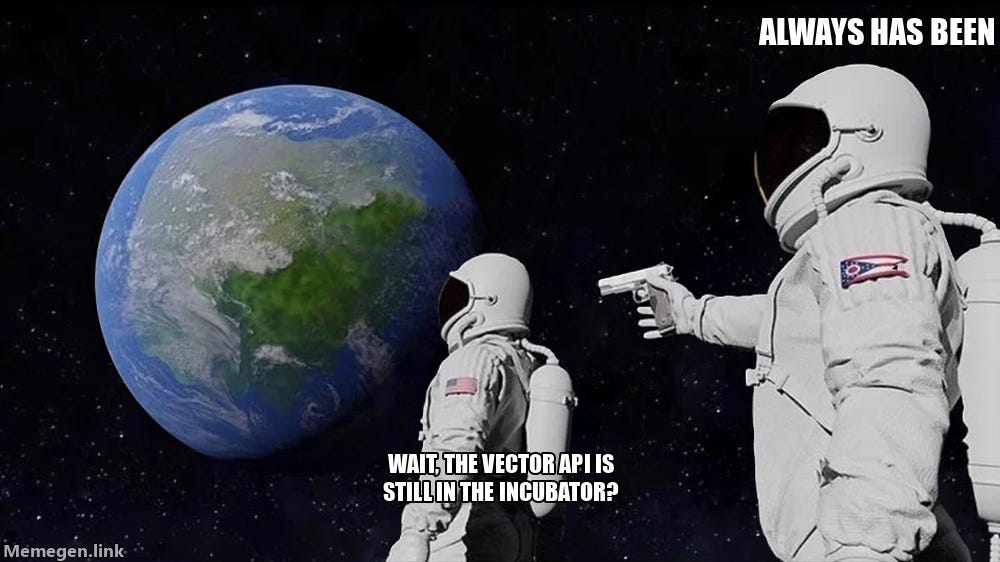
In March 2023 the Vector API was in its fifth incubator, waiting for Valhalla, and I wrote: "It will be interesting to see how many more incubations await us". Twelve. The answer is twelve, and counting.
In November 2023, reading a survey of JDK versions: "some companies will continue using JDK 8 indefinitely". Canonical now sells Java 8 support until 2034, so "indefinitely" is at least eight more years.
In September 2022, when Lightbend moved Akka to the Business Source License, I worried "whether the license won't be a barrier to entry" for smaller companies. The community answered with a fork, Apache Pekko.
In June 2023, about a small project with fresh commits and an invitation to Devoxx Belgium: "I think we'll still hear about langchain4j". LangChain4j 1.0 shipped in May 2025, and the project has appeared in more than forty issues since.
And in June 2024, about Oracle's multicloud deals: "I don't know if I'll eat my words later, but Oracle looks like a dark horse in the cloud computing battle". A year later Oracle signed the OpenAI deal as part of Stargate. I did not have to eat these words. The ones I did eat are in the next section.
2. What I predicted, and what happened instead
Looking back, the pattern is simple and not flattering: when I gave something a date, it came later, and when I said something would never happen, it came early.
It started on day one. JVM Weekly #1, May 25, 2022, says about Structured Concurrency that it is "unlikely to make it into JDK 19, much less in a stable version into JDK 21". Issue #2, one week later: "Oh, and Structured Concurrency however will appear in incubation in JDK 19." My first prediction lasted seven days. To be fair to 2022 me, the second half held: there was no final version in JDK 21, and there will be one in JDK 28.
I did not learn. In August 2024 I wrote that the foundations of the API were being laid, "and we shouldn't expect major changes here". In June 2025, JEP 505 "significantly revamps the Structured Concurrency API" (vol. 133), and two more previews followed. Structured Concurrency is the gift that keeps on giving, mostly to this section.
January 2024 deserves a separate entry, because one issue declared two features finished. About implicit classes and instance main methods: "It looks like the second preview version that we will see in JDK 22 is the final solution." Right after it, about String Templates: "The same holds true for String Templates. All signs point to them being finalized".
Implicit classes needed two more previews and a new name, and went final in JDK 25 as Compact Source Files and Instance Main Methods. String Templates were withdrawn in JDK 23, the first preview feature sent back to the drawing board, and they never came back. One issue, two finals, zero hits.
Then there is GraalVM, where I was consistent for four years, in the wrong direction:
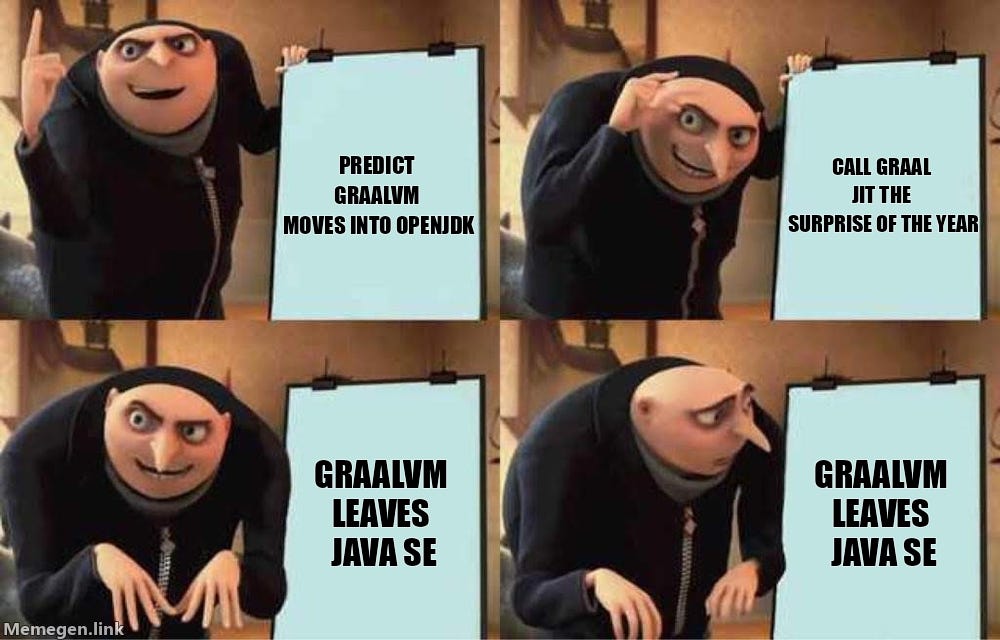
October 2022, relayed as a done deal: "The entire Native Image and GraalVM JIT for Java will be committed to OpenJDK." (source)
September 2023, my own: "debates about JIT being more efficient in the long term are no longer relevant." (source)
January 2025, the climax of the 2024 recap, about the Graal JIT in Oracle JDK 23: "I've saved the most exciting surprise for last." (source)
May 2025: "GraalVM becomes the most universal Java compiler." (source)
Four months after the last one, Oracle detached GraalVM from Java SE. The Graal JIT was withdrawn, and in JDK 27 JVMCI went with it. Project Galahad, which was supposed to bring Graal into OpenJDK, was dissolved in March 2026 as "redundant in light of the September decision to detach GraalVM from the Java ecosystem" (vol. 185).
The "nevers" aged even faster. In June 2022 I read the Kotlin roadmap and wrote that "Kotlin as a language is already feature complete". Since then Kotlin added context parameters, guards in when, multi-dollar interpolation and name-based destructuring, and announced rich errors. In April 2023, when Google made the Kotlin DSL the default for Android builds, I said goodbye to Groovy: "it was nice to meet you Groovy. It was fun while it lasted". Groovy 5 came out in 2025, and Groovy 6 shipped structured concurrency for Java, as a plain jar, before the JDK finished its own (vol. 189).
Two "nevers" I only relayed, but I relayed them with confidence. In March 2024 the Ktor team said that "Ktor itself will never include an embedded DI framework". Ktor 3.2.0, fifteen months later, ships "a built-in DI module". In May 2024 the answer from the KotlinConf Q&A was that "Language Server should not be expected". A year later I called kotlin-lsp "probably the most spectacular announcement" of KotlinConf 2025.
The dates are a separate genre:
Jakarta EE 11: "The target release date for Jakarta EE 11 is the first quarter of 2024". The full platform shipped on June 26, 2025, 34 months after Jakarta EE 10.
Jakarta EE 12: Jared Anderson and Edward Burns wrote in the Eclipse newsletter that "Jakarta EE 12 won't walk, it will run", and I added "maybe Jakarta EE 12 really will breathe new life into the platform". The Web Profile and the Platform moved to the first half of 2027.
Scala 3 LTS, February 2025: "planned for the fourth quarter of 2025". Scala 3.9 LTS landed on September 3, 2026 (vol. 191).
Valhalla, November 2022: "hopefully, we'll see some bigger announcements soon." Valhalla, May 2025: "Java 26 (or whatever version adopts Valhalla – I want to believe)". JEP 401 arrives in JDK 28, as a preview. I keep wanting to believe.
I also passed on other people's promises, with the confidence of someone who did not have to keep them.
In November 2022 Spring Framework 6 shipped without support for JPMS, the module system, and I relayed that it "can be expected to appear in later versions". By July 2024 Spring had "postponed those plans" (vol. 93).
In June 2023 Microsoft was "working on a JEP to introduce Ergonomics Profiles" into the JVM. The JEP never came. Two years later Microsoft shipped its own launcher, jaz, which picks JVM flags for Azure, and the original pull request is, in my own words from that issue, still open and "it seems to be alive" (vol. 131).
And in July 2024, when Grzegorz Piwowarek took over Vavr, I wrote that "His first goal is to release the long-promised version 1.0". Grzegorz did bring the project back: in January 2026 Vavr 0.11.0 shipped, its first minor release in several years (vol. 160). Version 1.0 is still the goal. I am no longer giving it a date.
Then the names. What I wrote down rarely kept the one it had.
In August 2023 I liked Computed Constants: "the solution is quite elegant and fits nicely into recent language conventions". The idea survived, the name did not. It came back as StableValue in JDK 25, became LazyConstant in JDK 26, and is now proposed as a fourth preview for JDK 28.
In January 2024 I called Graal Cloud Native "the inaugural comprehensive GraalVM-First framework". By May it was the Graal Development Kit for Micronaut (vol. 82). And in March 2024 Project Leyden planned "a single -XX:CacheDataStore flag". It shipped as -XX:AOTCache.
And a few smaller ones, which I list for completeness and as penance.
In May 2023 I wrote that "Corretto will only grow in popularity". A year later New Relic showed it falling from 31% to 18%, and I wrote that it looked "rather like some kind of error in reporting".
In April 2025 I called it "a safe bet" that half of the next Foojay roundup would be about MCP. The next roundup mentions MCP zero times.
In June 2024, about primitive patterns in switch, I wrote that "such patterns will soon be overused", "because I'm sure they will". They were cancelled on November 9, before anyone had the chance (vol. 199).
And in July 2024, about RxJava: "does anyone still remember this project? Because I intend to remind you of it soon". I promised the same special issue three months earlier, too. Consider this paragraph the reminder.
3. What changed on my side
So much for my forecasting. The way this newsletter gets made changed too, and the biggest change has a name: JVM Daily. I built it for myself, to pull all my sources into one place: GitHub, Bluesky, blogs and the rest. Every day it groups the articles into topics and writes a short summary of each, including what the source does not say. The archive goes back to March 17.
It is open to anyone. Everything happens in the browser: open the page, pick a day, read. I think it works pretty well, and thanks to it I get through far more sources than I ever managed by hand. The code is on GitHub, if you would rather run your own.
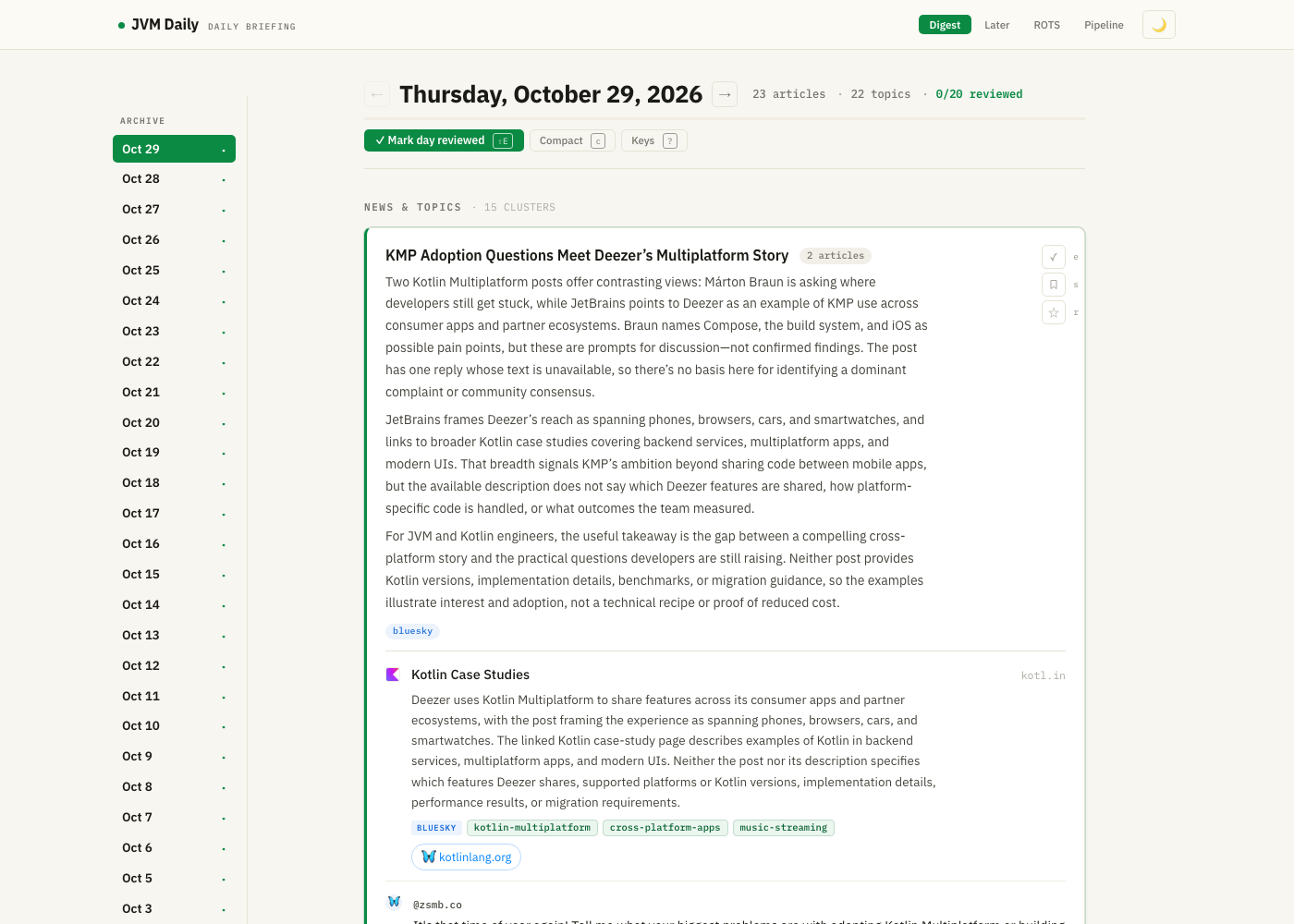
Finding things is much easier than it was two years ago. Unfortunately, so is finding too many of them. Take a random Thursday, October 29: 23 articles and 22 topics, from questions about Kotlin Multiplatform adoption to a project that turns your car's backup camera into a dashcam. I did not know I needed that. I still don't. Every week the pile is taller than the issue, and most of the job is now deciding what goes back on the pile.
My own point of view shifted too. I stopped being Head of Java/Kotlin and became Head of Application Development, so I look at all of this through a slightly different lens than I used to. But Java stays in my heart, always ❤️
The newsletter also had a side effect: a book. The habit of reading everything, every week, that produces JVM Weekly also produced Vibe Engineering: Best Practices, Mistakes and Tradeoffs, which I wrote with Tomasz Lelek for Manning. As I admitted in vol. 156, it is not about Java.
The writing itself has barely changed in the age of AI. I have always written in Polish and translated into English, so the crooked language of these texts is more "mine". On that front only the tools have evolved, and personally, I'm fine with that.
Which is also why I still miss the Polish version. That is where it all started, nearly 90 issues before JVM Weekly #1, so starting with this issue the Polish edition is back. It has its own section here, a newsletter on LinkedIn and a place on X. You have to sign up for it separately, so nobody gets pierogi by accident. New homes, same old author, same old typos.

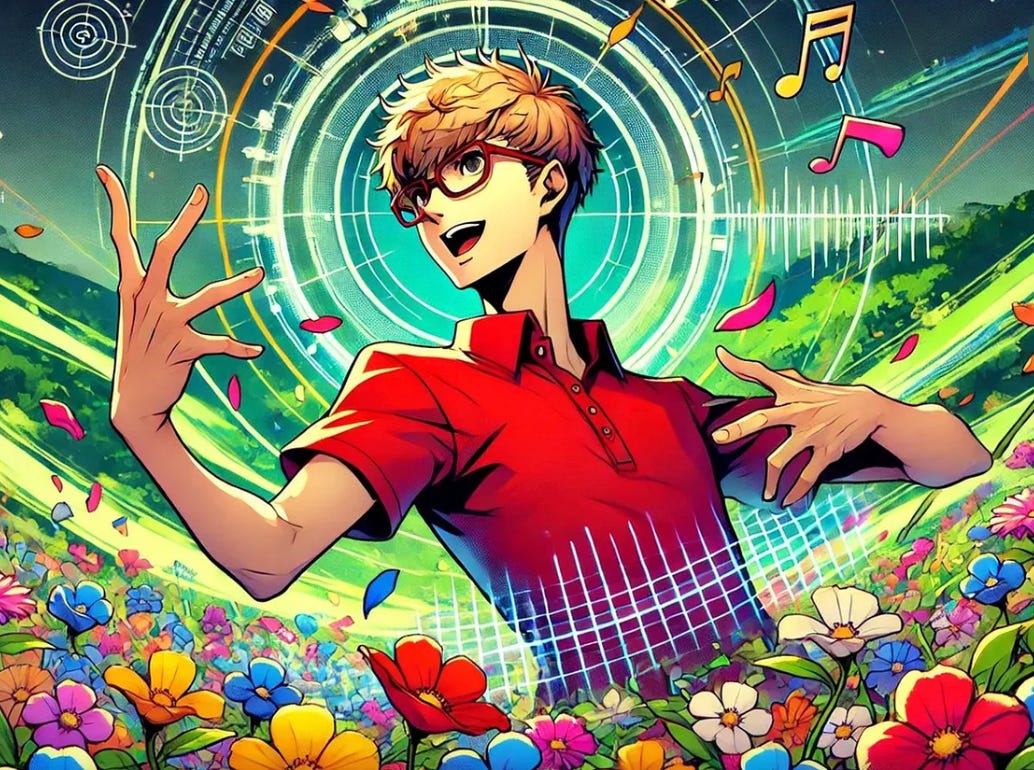
I used to love LLM illustrations, and I mean love. I have loved comics forever, and my five-year-old daughter draws better than I do, so for the first time the pictures came out the way they looked in my head. Then everyone else found them too. Today half of my feed looks like it was drawn by the same tired intern, at three in the morning, from the same prompt. I still make them (yes, the banner above too), just with a slight blush. Judge for yourself.
The character on those covers has a history of his own. The whole look is inspired by Persona 5, and the game is named in the original prompt. When I started, image models blocked a lot of styles, and Persona 5 was the one that gave good results. Also, I just like Persona 5. For this issue the cover goes back to that style.
Memes, thankfully, are still memes. My millennial soul has clung to them through every platform that tried to replace them, and it is not letting go now.
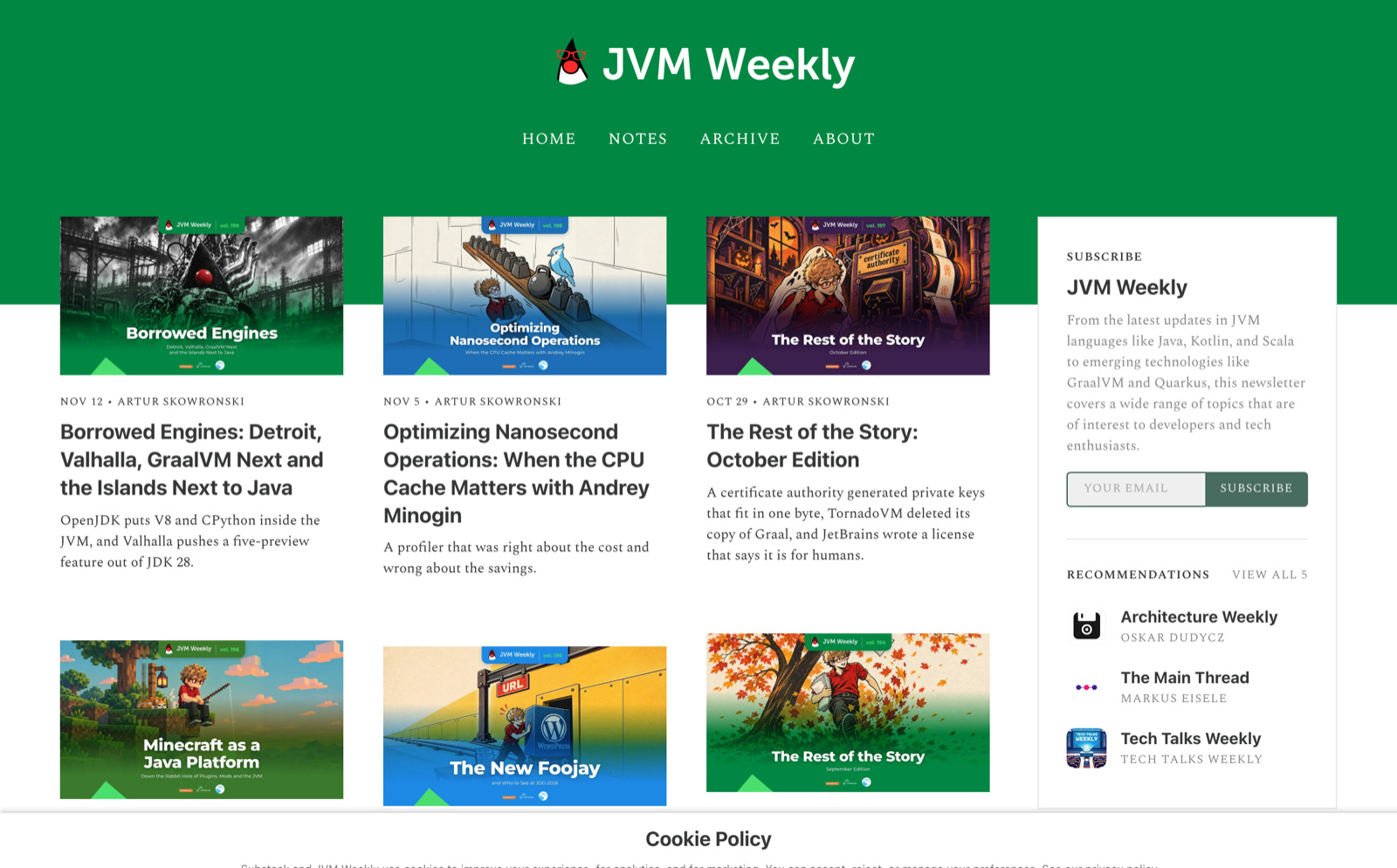
One more visual change, and this one I did not plan. Substack happened to ship new graphic styles just now, so the whole site got a refreshed layout in time for issue 200. I like it.
Now the numbers I expected to be bigger. Everyone promised me a hockey stick, the chart that runs flat and then shoots up. JVM Weekly #1 went out to 3 inboxes. Vol. 100 went out to 3,148, and vol. 199 to 5,777. In between, the line climbs by about 1,200 subscribers a year, as straight as a ruler. I thought there would be more of you by now.
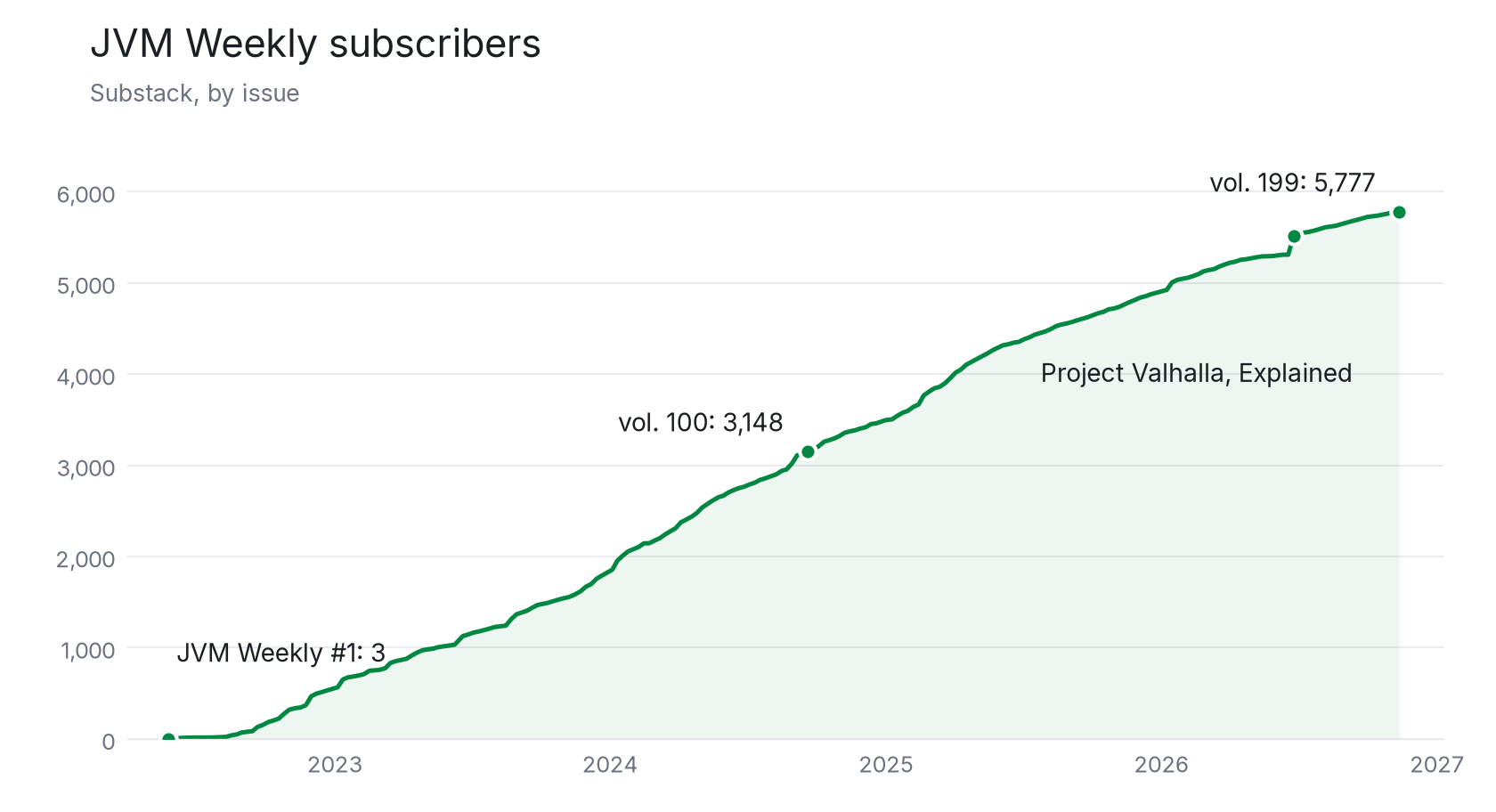
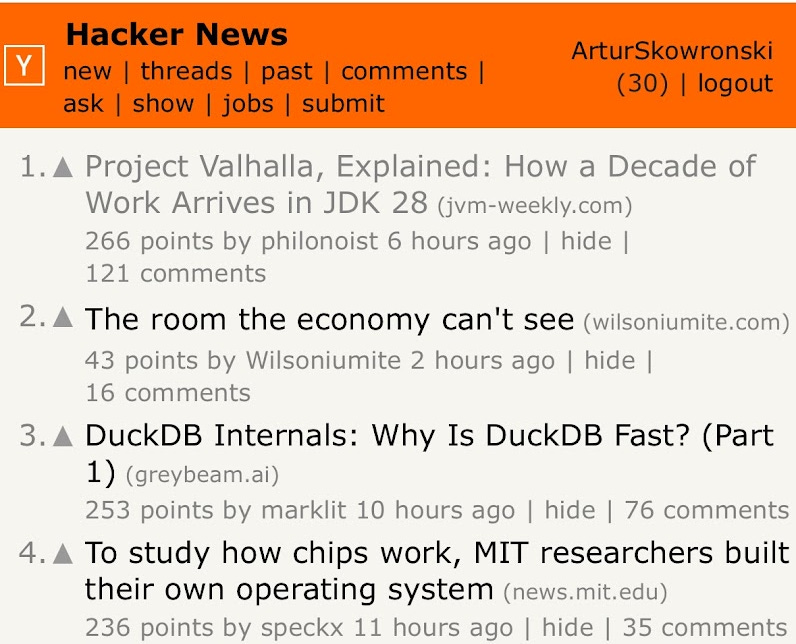
The one bump you can see on the chart belongs to one post: Project Valhalla, Explained got 51,550 views in June, against around 3,000 for a typical issue, and the list grew by 203 in the week after it. That was the day I was number one on Hacker News ❤️ The thread ended up with 658 points and 447 comments. Highlight of the year.
A few more numbers from the same dashboard. The thousandth subscriber arrived in May 2023, the five-thousandth in January 2026. All issues together were sent 610,785 times and viewed 615,434 times. You left 987 likes and 99 comments, so the hundredth comment is still up for grabs.
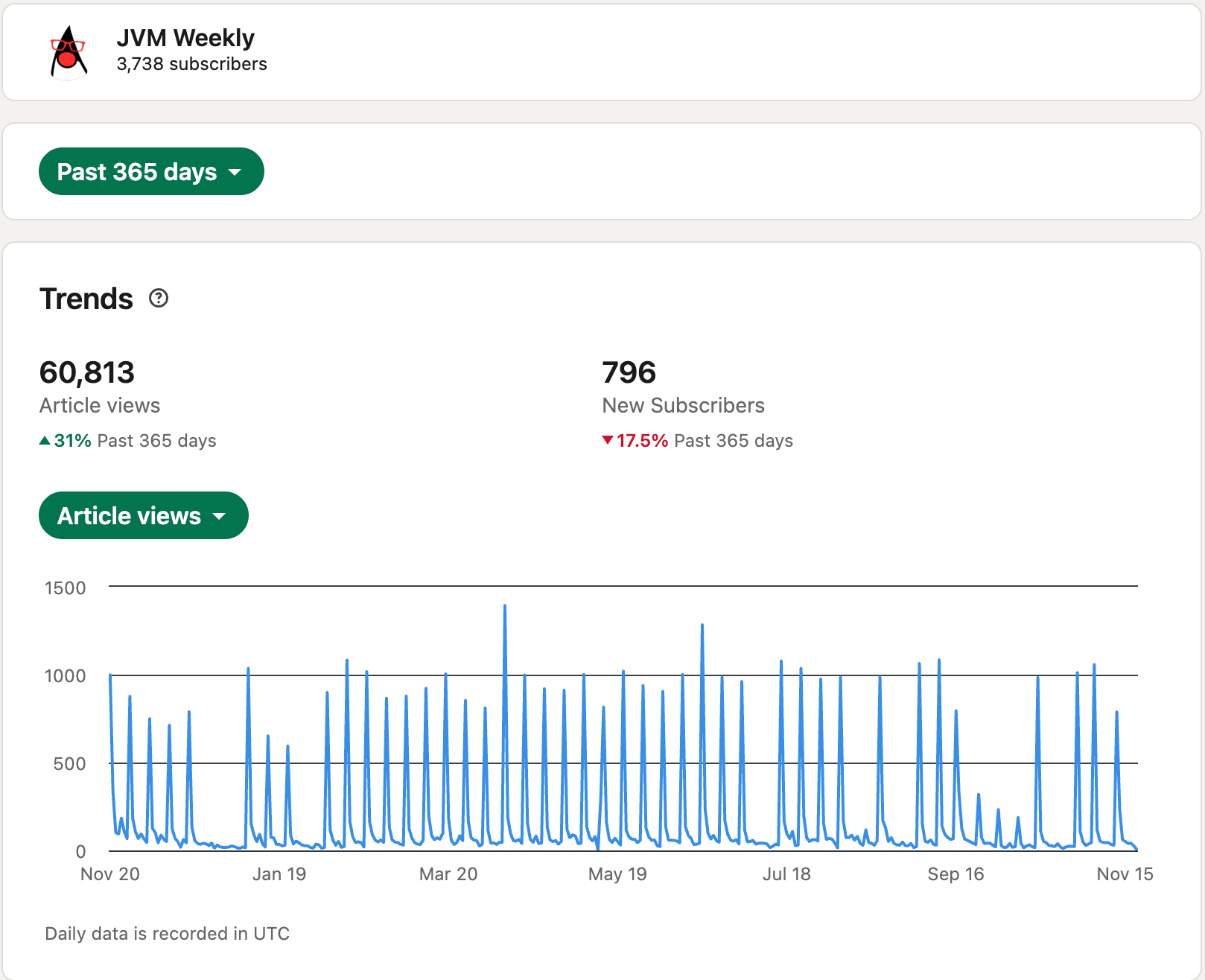
LinkedIn grows too. The edition I publish there has 3,738 subscribers, 796 of them from the last twelve months, and its articles were viewed 60,813 times in that period.
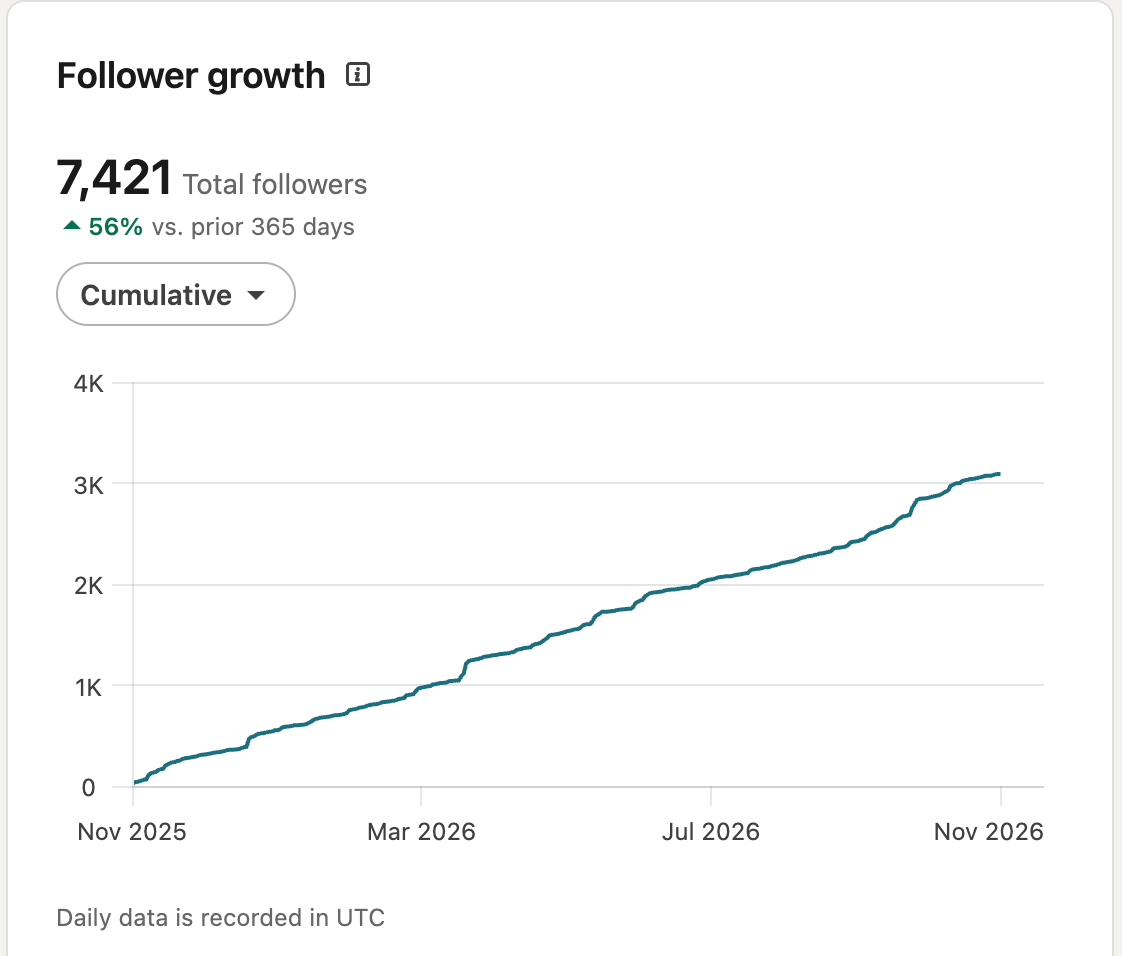
My profile gained 3,089 followers in the same twelve months, 56% more than the year before, which brings the total to 7,421. If there is a hockey stick anywhere, it is hiding there.
I am sharing all of this in case anyone is curious how a newsletter like this one translates into numbers in different places.
So no hockey stick. But you keep reading, week after week, and I would not trade that for any chart.
Since vol. 100 I also got around a bit. I spoke at Devoxx Belgium 2024 about the JVM in the age of AI, then took a NES emulator written in Kotlin to KotlinConf 2025 and JavaZone. Add Devoxx UK and GeeCON, JDD in Kraków with two sessions, Øredev in Malmö, a talk at Jfokus in Stockholm, and this year a panel at GeeCON. At Code Remix Summit in Miami I only sat in the audience. I also saw the call for papers from the other side, on the program committees of Ya!vaConf and JDD.
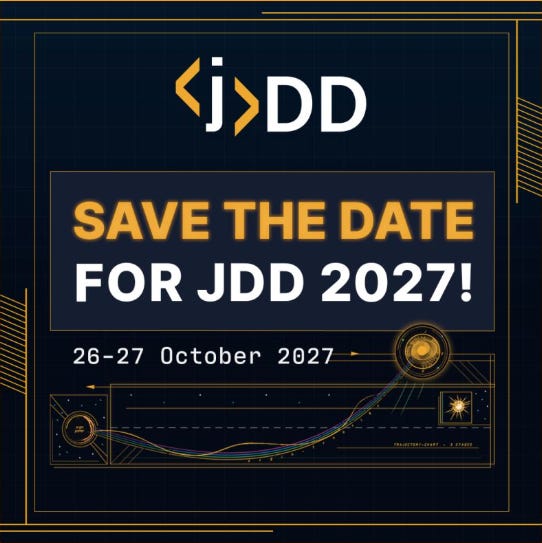
The world also got a bit sadder. 2026 was a lot of work and very few conferences, the kind of year when you meet people mostly as avatars. 2027 has some catching up to do, and it is off to a good start: I am going to Jfokus and to the AI Software Factory Summit in Miami, and JDD 2027 already has its date, October 26-27. See you there.
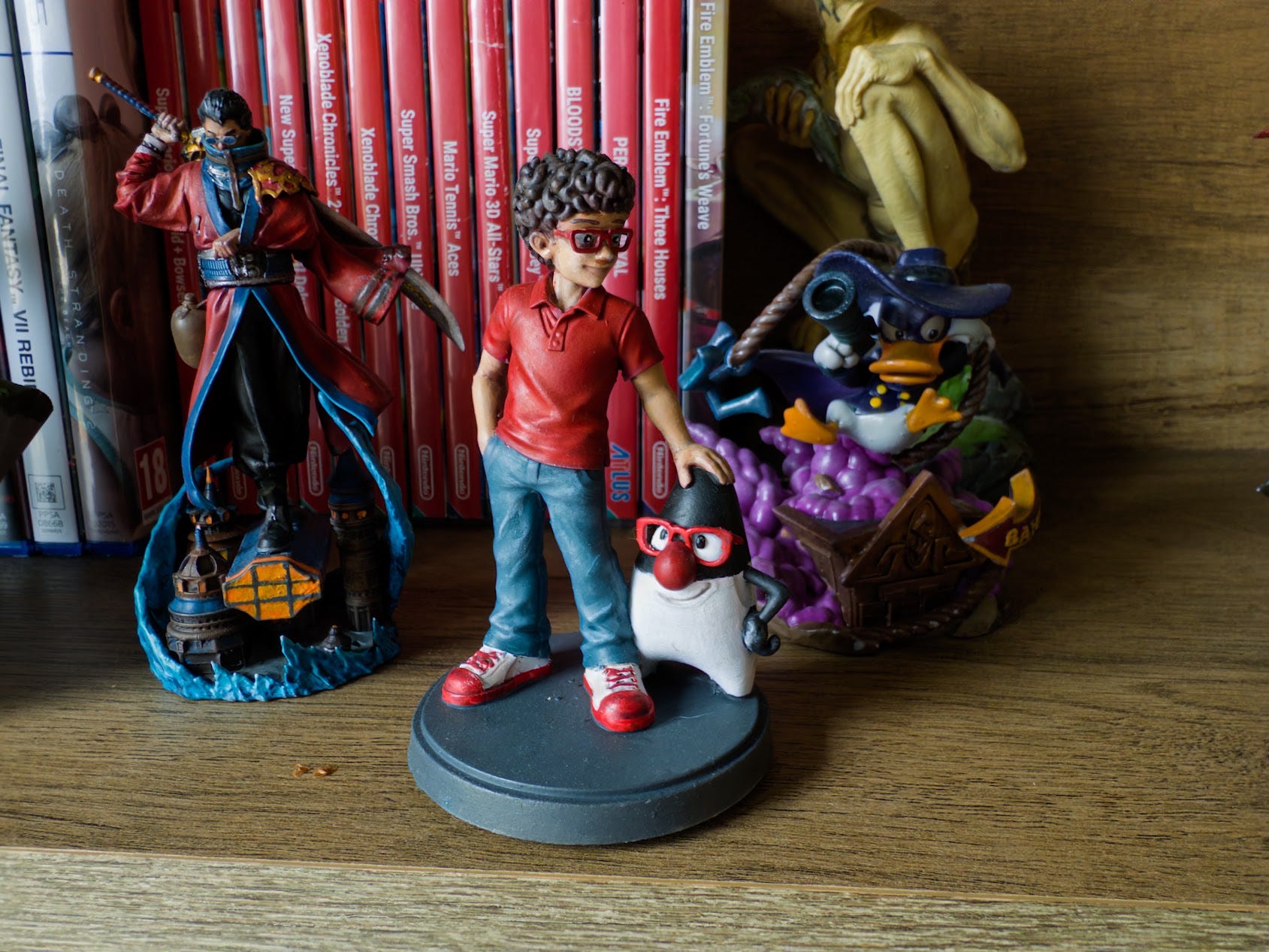
And one change outside the JVM: I started painting miniatures. After a year of generated pictures, it is nice to make something physical, with my own hands. The most important one so far is my avatar with Duke, in the JVM Weekly version, red glasses included.
If anyone wants to paint together during one of the conferences, I think it can be arranged 😀
PS: No predictions for vol. 300. See section 2 - I’m not brave enough.
PS2: I know everyone is playing GTA VI.
I’m not, at least not yet. As you may have seen from my figurine, I have my own current obsessions.
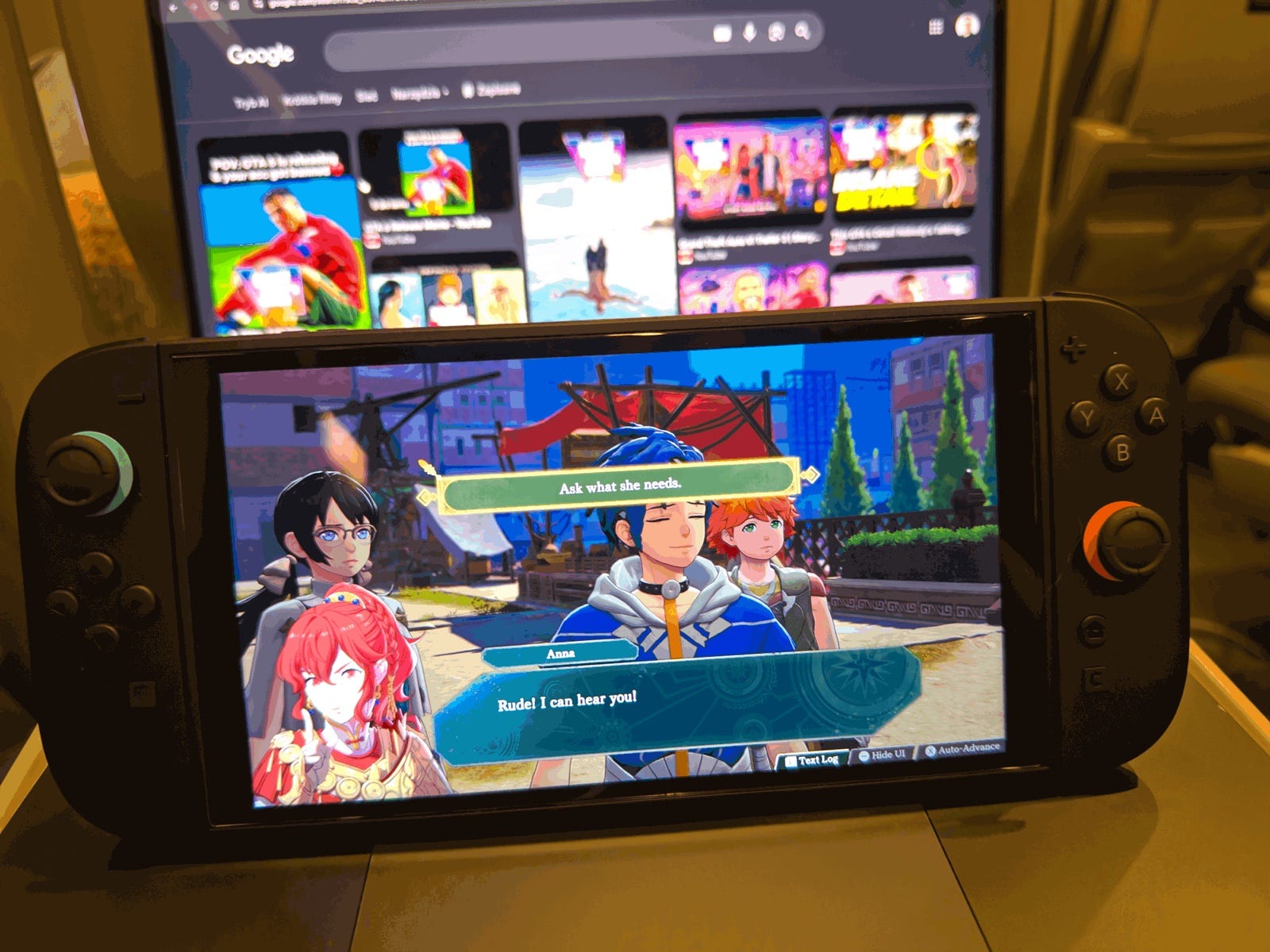
Greetings to the people of Culture
That said, the hype is so big that I have a feeling this might be the first GTA I actually play cause I was in Miami this year, and I’ll be back there in February for Code Remix Summit.
PS3: The last sentence of vol. 100, after the one about edition #200, was "I still love this project and am incredibly glad I decided to start it." That one held too. Thank you for replying, correcting me and sending links, for two hundred issues and some.
Thanks for reading JVM Weekly!
Discussion about this post